September 9, 2026
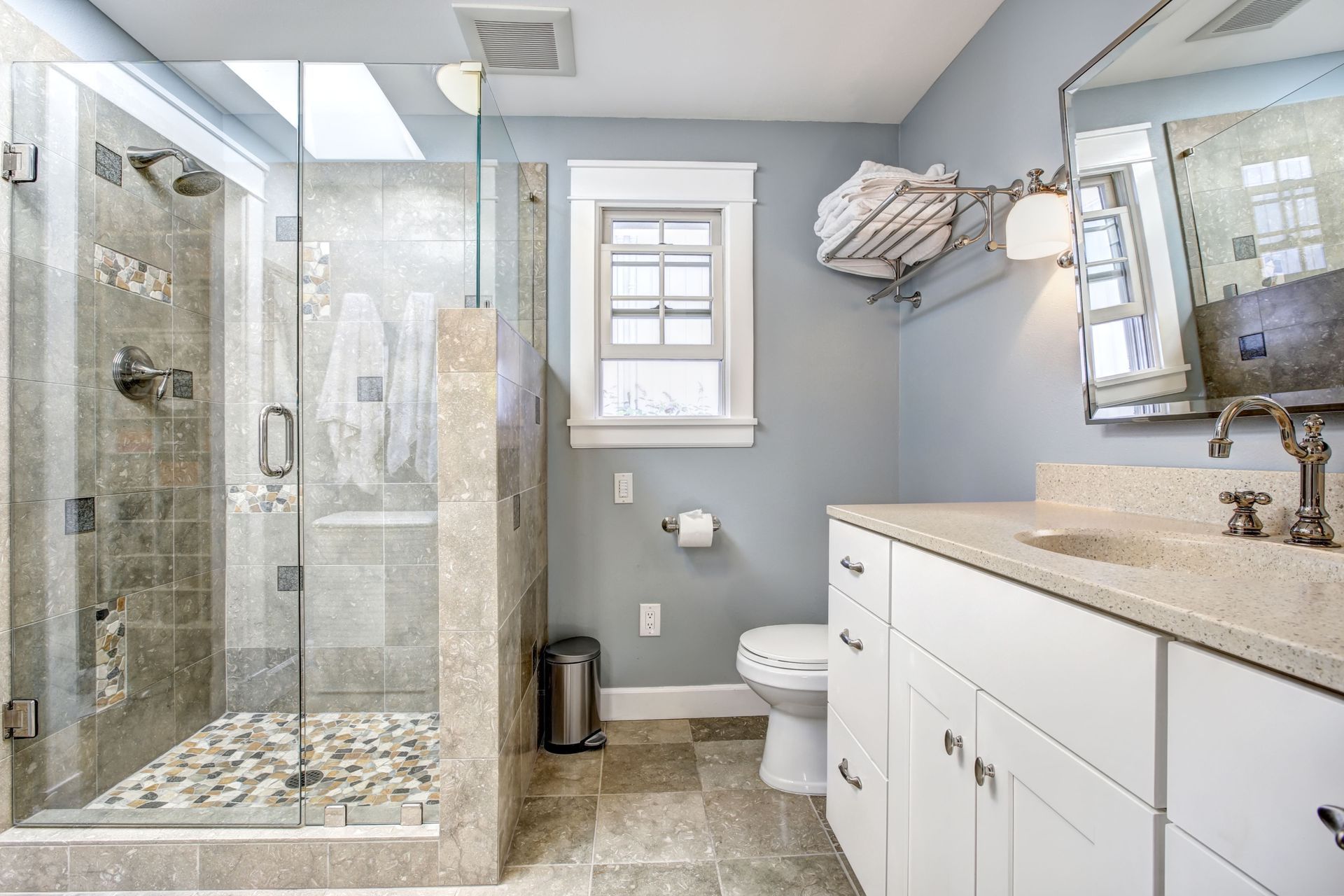
Upgrading your home can be a daunting task, especially when it comes to bathrooms. Bathroom remodeling companies can help homeowners improve the function, appearance, comfort, and accessibility of an existing space. Depending on the goals of the renovation, updates may include replacing showers and bathtubs, upgrading vanities and countertops, installing tile and flooring, updating lighting and fixtures, improving plumbing and layouts, or adding storage and cabinetry.
Experienced Bathroom Remodeling Companies
Plan Functional Designs
Thoughtful bathroom design considers both appearance and everyday function. Bathroom remodeling companies can help homeowners develop layouts around the available space, preferred style, and practical needs. Bathroom renovations may involve changing the placement or configuration of fixtures, improving storage, or creating a more comfortable arrangement. Custom tile work, cabinetry, countertops, lighting, and other finishes can then support the overall design.
Manage Permits and Inspections
Permits and inspections can be part of a larger remodeling project, particularly when construction or plumbing changes are involved. A general contractor can coordinate these requirements along with the other stages of construction. Managing permits, inspections, scheduling, subcontractors, and installation as part of the same project gives homeowners a more organized process. This coordination can be especially useful when a bathroom renovation includes several different types of work rather than a simple cosmetic update.
Address Space Challenges
Every bathroom has its own dimensions and layout considerations. Remodeling can provide an opportunity to make better use of limited or awkward spaces through thoughtful planning and layout improvements. Storage and cabinetry can also be incorporated to make everyday items easier to organize. For homeowners with specific accessibility needs, bathroom renovations can include ADA-accessible modifications.
Practical Bathroom Remodeling Benefits
Select Suitable Surfaces
Material selection is an important part of a bathroom renovation because surfaces and fixtures contribute to both appearance and everyday function. Bathroom remodeling can include tile and flooring installation, vanity and countertop upgrades, custom cabinetry, and other finish selections. Options such as quartz countertops and custom tile work can create a distinctive look while fitting into the broader design of the room. Choosing surfaces based on the homeowner's preferences and the intended use of the space can help create a bathroom that feels practical as well as visually cohesive.
Upgrade Fixtures and Finishes
Replacing outdated fixtures can change the appearance and function of a bathroom without requiring every part of the room to be redesigned. Remodeling services can include shower replacements, bathtub replacements, vanity upgrades, countertop upgrades, lighting updates, and plumbing fixture updates. Homeowners can also consider storage solutions, cabinetry, custom shower niches, and built-in shower benches when planning a more comprehensive renovation. These improvements provide options for addressing specific needs while updating the overall space.
Consider Efficiency Options
Bathroom renovations can also incorporate features designed around water and energy efficiency. Available options include low-flow toilets, water-efficient fixtures, and energy-efficient LED lighting. Smart ventilation systems can also be incorporated into bathroom improvements. These features can be considered alongside other design decisions rather than treated as separate projects, allowing homeowners to address efficiency while updating the room.
Organized Bathroom Remodeling Planning
Manage Project Timelines
Scheduling is an important part of coordinating a bathroom renovation. A general contractor can organize subcontractors, trades, permits, inspections, and construction stages as the project progresses. Establishing a clear sequence for the work can help homeowners understand how the renovation moves from planning and preparation to construction and final installation. According to This Old House, labor costs can account for 40% to 50% of your total bathroom remodeling budget.
Address Remodeling Challenges
Bathroom renovations can involve changes to layouts, plumbing, fixtures, storage, and other elements of the room. A general contractor can coordinate the trades and construction stages involved in addressing these needs. When a project includes several types of work, keeping the different components organized can make it easier to move through the renovation process. Bathroom remodeling services can address plumbing and layout improvements alongside tile, flooring, cabinetry, lighting, and fixture updates.
Organize the Renovation
A structured remodeling process can help homeowners keep track of the many components involved in a bathroom project. The process can begin with design concepts and planning before moving into permits, construction, and final installation. Depending on the scope of the renovation, this may include coordinating plumbing work, fixture updates, flooring, tile, lighting, cabinetry, and other finishes. Keeping these elements within one coordinated project can provide a clearer path from the initial ideas to the completed bathroom.
Comprehensive Bathroom Remodeling Scope
Refresh the Bathroom
Updating a bathroom can change the appearance and function of an older or outdated space. New tile, flooring, countertops, cabinetry, lighting, fixtures, showers, and tubs can all contribute to a refreshed interior. Homeowners can choose which elements to update based on the condition of the existing bathroom and the improvements they want to make. A renovation can therefore range from targeted updates to a more comprehensive transformation of the entire room.
Improve Home Function
Bathroom remodeling can address practical concerns as well as appearance. Layout improvements can help make better use of available space, while storage and cabinetry can provide additional organization. Shower and bathtub replacements can update fixtures, and plumbing improvements can address functional needs. ADA-accessible modifications can also be considered when accessibility is an important part of the renovation.
Consider Future Needs
A bathroom renovation can be planned around both current routines and changing household needs. Accessibility improvements may be appropriate for homeowners who want a more accommodating space, while additional storage can help address changing organizational needs. Water-efficient fixtures and updated lighting can also be incorporated as part of a broader renovation. Considering these factors during the planning stage gives homeowners an opportunity to create a bathroom that supports their needs beyond a simple cosmetic update.
Flexible Bathroom Remodeling Options
Customize Bathroom Features
Bathroom remodeling can be tailored to a homeowner's preferred style, routine, and functional needs. Available improvements include shower and bathtub replacements, vanity and countertop upgrades, tile and flooring installation, lighting and fixture updates, plumbing and layout improvements, storage and cabinetry solutions, ADA-accessible modifications, and water-efficient fixtures. Custom tile work, custom cabinetry, quartz countertops, shower niches, built-in shower benches, and frameless glass shower enclosures can provide additional ways to personalize the space.
Improve Limited Spaces
Bathroom layouts can be adjusted to make better use of the space available. Remodeling can address tight or awkward areas through spatial planning and layout improvements while incorporating storage and cabinetry where appropriate. The arrangement of showers, tubs, vanities, fixtures, and storage can be considered as part of the overall design. This approach allows homeowners to focus on how the room functions rather than simply replacing individual finishes without considering the layout as a whole.
Add Accessible Features
Accessibility can be an important consideration when planning a bathroom renovation. ADA-accessible modifications can help homeowners create a space that better accommodates specific mobility or usability needs. Depending on the project, accessibility considerations can be incorporated alongside shower or bathtub updates, layout improvements, storage solutions, and other bathroom renovations. Addressing these needs during the design stage allows the renovation to account for how the space will be used.
Bathroom remodeling can transform an existing space to better suit a household's style, routines, and accessibility needs. Updates may include new showers or bathtubs, tile and flooring, cabinetry, countertops, lighting, plumbing improvements, and water-efficient fixtures. With planning and project coordination covering construction, permits, subcontractors, and final installation, larger renovations can be approached as a cohesive project. Learn more about bathroom renovation and general contracting services from SHOREHOME.